Why Manhattan Has a Cockroach Problem (And What To Do About It)
Cockroaches are a defining feature of urban life in Manhattan — but why? Dense infrastructure, centuries-old buildings, and restaurant density create ideal conditions. Here is how to break the cycle.
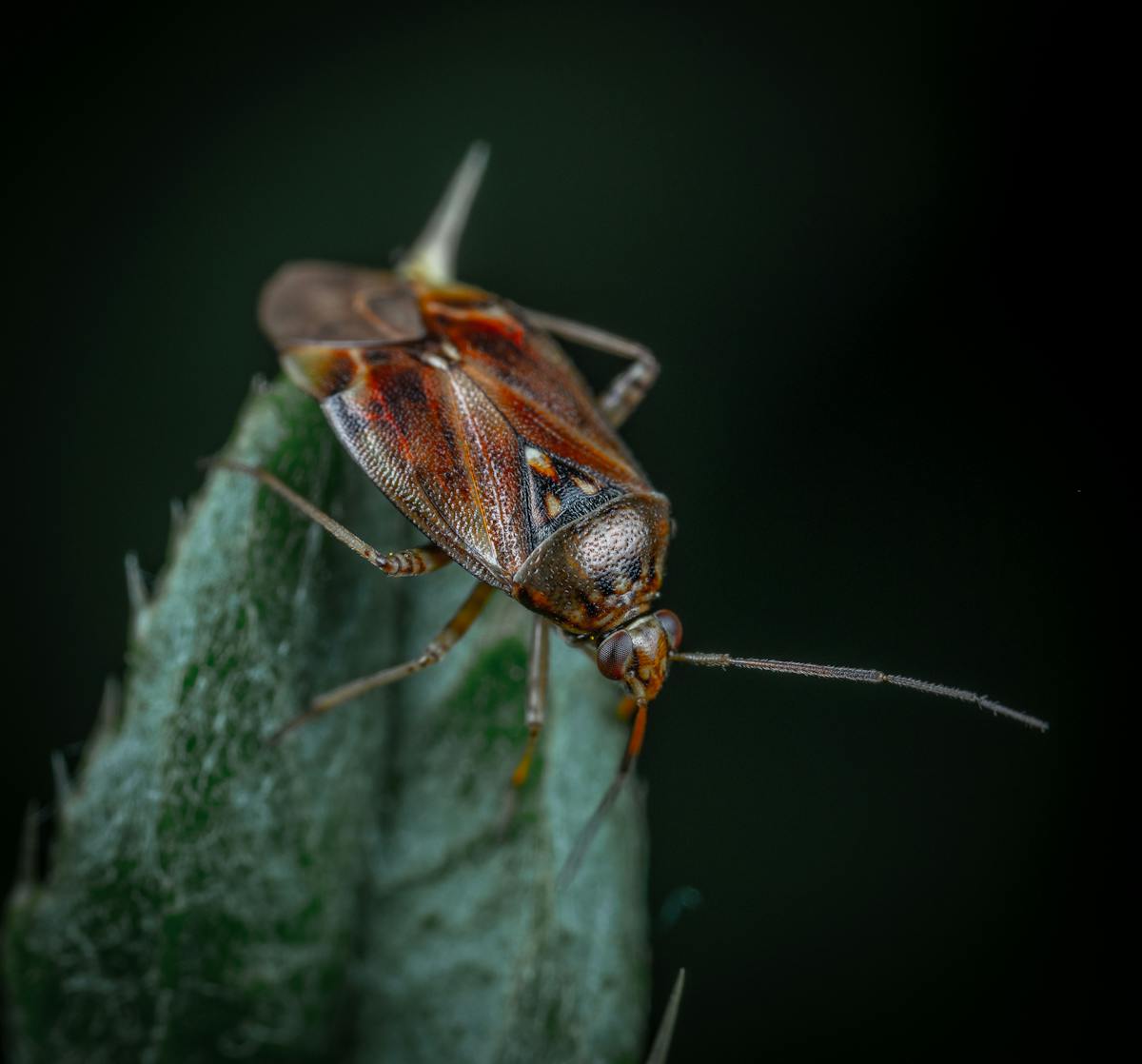
Manhattan's Structural Cockroach Problem
Manhattan has a cockroach problem that is fundamentally different from what suburban homeowners deal with. In most parts of the country, a cockroach infestation is a discrete problem in a discrete home — treat the home, eliminate the infestation. In Manhattan, cockroaches exist as a building-wide and block-wide population that moves through shared infrastructure continuously. Understanding why Manhattan is so hospitable to cockroaches is the first step toward effective, lasting control.
Why Manhattan Buildings Are Ideal Cockroach Habitat
The age of the housing stock is the first factor. Pre-war buildings throughout the Upper West Side, Upper East Side, Harlem, Washington Heights, and Midtown have accumulated decades of settled cracks in plaster, gap-prone pipe penetrations, and deteriorated mortar between brick courses. Every one of these openings is a cockroach highway. German cockroaches — the dominant species in Manhattan — exploit gaps as thin as 1/16 of an inch.
Shared infrastructure connects buildings. Sewer lines, electrical conduit, plumbing stacks, and the void spaces between floors in multi-unit buildings create a continuous network that cockroaches navigate freely. A restaurant on the ground floor of a pre-war building can sustain a cockroach population that reaches the 10th floor through pipe chases and utility corridors. Treating one unit while adjacent units remain infested produces only temporary results.
Restaurant density fuels the problem. Manhattan has one of the highest concentrations of food service establishments per square mile in the world. Restaurants produce organic waste, maintain warm humid kitchen conditions, and receive constant food deliveries — cockroach introductions happen continuously. Commercial dumpster areas, loading docks, and shared food storage corridors create population reservoirs that supply surrounding residential buildings year-round.
Steam heat and year-round warmth. Manhattan's older steam-heated buildings maintain temperatures that cockroaches find ideal throughout winter — something that naturally limits cockroach populations in suburban homes that cool significantly during cold months. In Manhattan, there is no cold season for cockroaches. Populations breed continuously from January through December.
The German Cockroach: Manhattan's Primary Species
The German cockroach (Blattella germanica) dominates Manhattan's indoor roach population. Unlike the American cockroach that lives outdoors in sewer systems and occasionally wanders inside, the German cockroach is entirely indoor-adapted and cannot survive outside in New York's climate. This means:
- Every German cockroach you see inside came from an existing indoor population — there is no "migration" from outside that you can prevent by sealing the perimeter
- A single breeding pair can produce hundreds of offspring within weeks under ideal conditions (warmth, moisture, food)
- German cockroaches are increasingly resistant to commonly used insecticide classes — populations in older NYC buildings often require professional-grade products and rotation strategies that retail sprays cannot provide
- Infestations establish in harborage areas — compressed spaces within 10 feet of food and moisture — and expand outward as populations grow
Warning Signs You Should Not Ignore
Finding a cockroach during the day is a serious red flag — it means the population has grown large enough to push individuals out of harborage during daylight. Other indicators:
- Droppings resembling black pepper or coffee grounds behind appliances, under sinks, and inside cabinet hinges
- Egg cases (oothecae) — small brownish capsules tucked into crevices near food sources, each containing 30–40 eggs
- Musty odor in pantries, cabinet interiors, or under-sink areas — produced by cockroach aggregation pheromones
- Shed skins near harborage areas as nymphs molt through developmental stages
Why DIY Treatments Make Manhattan's Problem Worse
Over-the-counter aerosol sprays are repellents. Applied to surfaces where cockroaches are seen, they scatter the population deeper into wall voids and further into the building. Survivors develop insecticide resistance and resume activity once the repellent dissipates. Bug bombs and foggers broadcast insecticide into open air but never penetrate the compressed harborage spaces — under appliances, inside cabinet hinges, behind wall plates — where cockroaches actually live. Every failed DIY attempt reinforces insecticide resistance and delays effective treatment.
What Effective Cockroach Control Looks Like in Manhattan
Professional cockroach control in Manhattan apartments and buildings follows a specific protocol that retail products cannot replicate:
- Gel bait application in harborage zones — placed directly in the compressed spaces where cockroaches live, gel bait is carried back to the colony by workers and ingested by the queen, causing colony collapse
- Insecticidal dust in wall voids, electrical outlets, and appliance interiors — reaches the areas that spray products cannot contact
- Building-wide coordination when multiple units are involved — effective control in a multi-unit Manhattan building requires treating all infested units simultaneously, not one unit at a time
- Sanitation and moisture correction — eliminating the conditions that sustain cockroach populations between treatments
If you are seeing cockroaches in your Manhattan apartment or building, professional treatment is the only approach that works. Call Manhattan Pest Control Near Me at (646) 961-3700 for a thorough inspection and a treatment plan designed for Manhattan's unique cockroach challenges. We serve the Upper West Side, Upper East Side, Midtown, Harlem, Greenwich Village, Tribeca, and every neighborhood across Manhattan.