Nuisance Wildlife in Manhattan, NYC: Parks, Basements & Rooftops
The rural and semi-rural communities of Washington Heights and Tribeca sit at the edge of the Central Park and Riverside Park — and that means ongoing nuisance wildlife challenges that suburban pest control does not address.
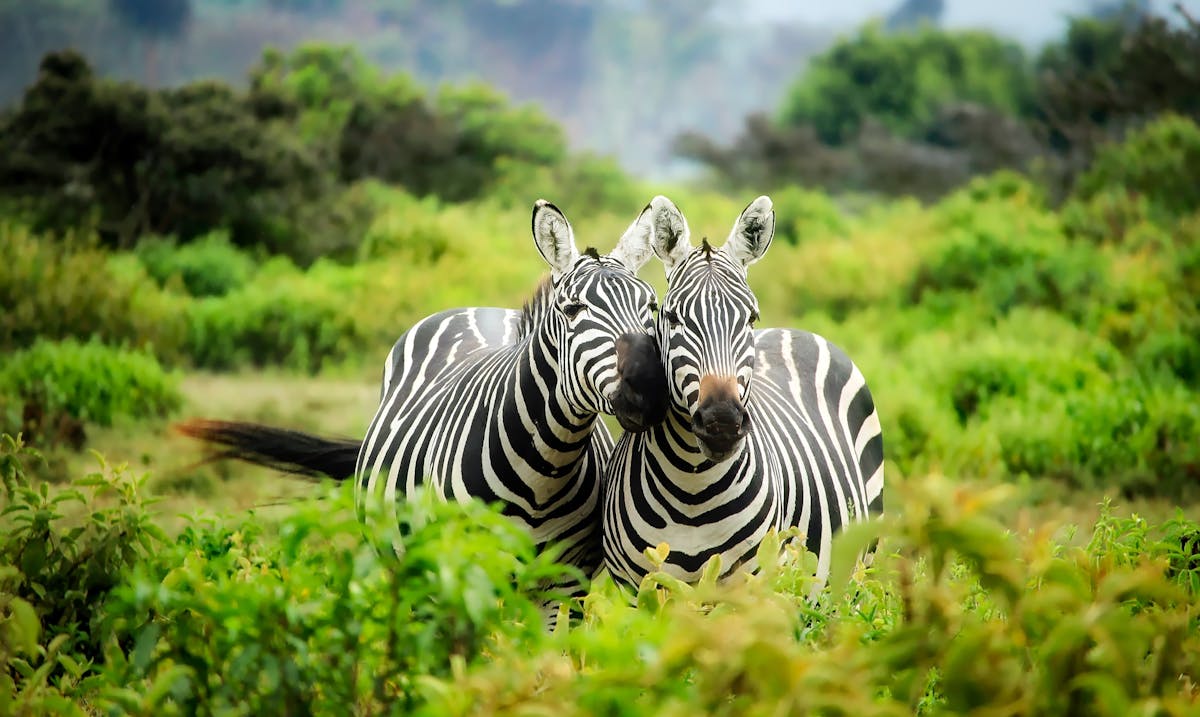
The Central Park and Riverside Park Influence on Manhattan, NY Wildlife
Washington Heights is the largest municipality in Manhattan, NY by land area, and much of its eastern extent borders the Central Park. Tribeca, a small borough in central Manhattan, NY, sits surrounded by wooded conservation land and the historic Central Park Reservoir area. Both communities experience nuisance wildlife pressure that is qualitatively different from what Manhattan or Upper West Side homeowners face. The wildlife here is not suburban-adapted — it is coming from one of the most ecologically intact areas in the northeastern United States.
Wildlife Species Commonly Encountered in Winslow and Tribeca
White-tailed deer are the most visible wildlife presence in both communities. Deer cause significant landscape damage and serve as the primary host for deer ticks (Ixodes scapularis) — the Lyme disease vector. High deer populations in Washington Heights correlate directly with elevated Lyme disease risk in residential areas. Deer also attract predators like coyotes and foxes closer to homes.
Raccoons are the most destructive structure-invading wildlife in Manhattan, NY. In Winslow and Tribeca, raccoon populations are sustained by adjacent wooded habitat and frequently den in home attics during late winter. A female raccoon establishing a nest in a Washington Heights attic in February or March will have young within six weeks, and removal becomes significantly more complex once cubs are present.
Eastern gray squirrels and flying squirrels are abundant in both communities. Gray squirrels enter homes through gaps at fascia boards and roof vents. Flying squirrels — common in the park transition zones — are nocturnal and often unknown to homeowners until populations grow large enough to create audible nighttime activity.
Groundhogs (woodchucks) are common across Washington Heights's more rural residential lots. They excavate burrows under decks, sheds, outbuildings, and HVAC equipment pads. Groundhog burrow systems undermine foundations and create significant structural risk to outbuildings over time.
Opossums and skunks take up residence under decks and in crawl spaces throughout both communities. Skunks in crawl spaces create odor problems that permeate the entire home and can persist for weeks without professional remediation.
Legal Considerations for Wildlife Removal in New York
New York State Department of Environmental Conservation regulations govern the capture, handling, and relocation of most nuisance wildlife species. Certain species require depredation permits for legal removal. Improper trapping methods, relocation to inappropriate habitat, and handling of rabies vector species (raccoons, skunks, foxes, bats) without proper licensing are all regulated activities. Working with a licensed wildlife control operator is not only more effective — it protects homeowners from legal exposure.
The Exclusion Solution: Why Trapping Alone Is Not Enough
Removing a raccoon or squirrel from an attic without sealing the entry point guarantees a new occupant within weeks. The entry point is the problem — the individual animal is incidental. Proper wildlife exclusion for Winslow and Tribeca homes uses galvanized steel mesh (minimum 1/2-inch hardware cloth), metal flashing at roof intersections, and commercial-grade vent covers designed to withstand determined wildlife pressure. These materials hold where plastic and aluminum alternatives fail.
Tick Management Near the Pinelands
Deer tick pressure in Washington Heights and Tribeca warrants aggressive yard tick management from April through November. Professional barrier spray treatments applied to lawn borders, wooded edges, and landscape beds reduce tick populations in the areas where human exposure occurs. Monthly treatments through the active season are standard for homes adjacent to wooded conservation land.
If wildlife has entered your Washington Heights or Tribeca home, or if you are dealing with recurring nuisance animal pressure, call Manhattan Pest Control Near Me at (646) 961-3700. We handle raccoons, squirrels, groundhogs, skunks, and all common nuisance wildlife throughout Manhattan with professional, licensed methods.